
Women's Health

While we acknowledge International Women's Day on March 8th every year, we would also like to contribute to positive change, in this case by providing information. Jenny Wells, our Pharmacist-in-Charge, takes a special interest in women's health and in this month's blog, she points to two areas where women can take control (in one case plan, and in the other, prevent), rather than having to react to health situations.
The topic of planning pregnancies is relevant for Arkansas since our state has very high teen birth rates compared to national averages. In Arkansas-focused reporting, teen pregnancy/childbearing is explicitly described as linked to poverty and lower educational attainment. Girls who fall pregnant are not just a statistic and every family story is different. We would like to contribute to girls' futures by providing information that they can act on, for their own lives and for our community.
This blog is written to address women, but this information is just as relevant for men, and we hope that it may lead to conversations with loved ones, regardless of gender. At the end of the day, women's health touches families and friends, not just women.
Women's Health
Two women's health topics, which we will discuss in this blog, come with opportunities for you to make health decisions rather than to just be in reactive mode:
- Planning pregnancies
- Preventing HPV-related cancers
Women's health is about protecting your future -- your health, your goals, and, if you want them, your plans for a family -- on your timeline.
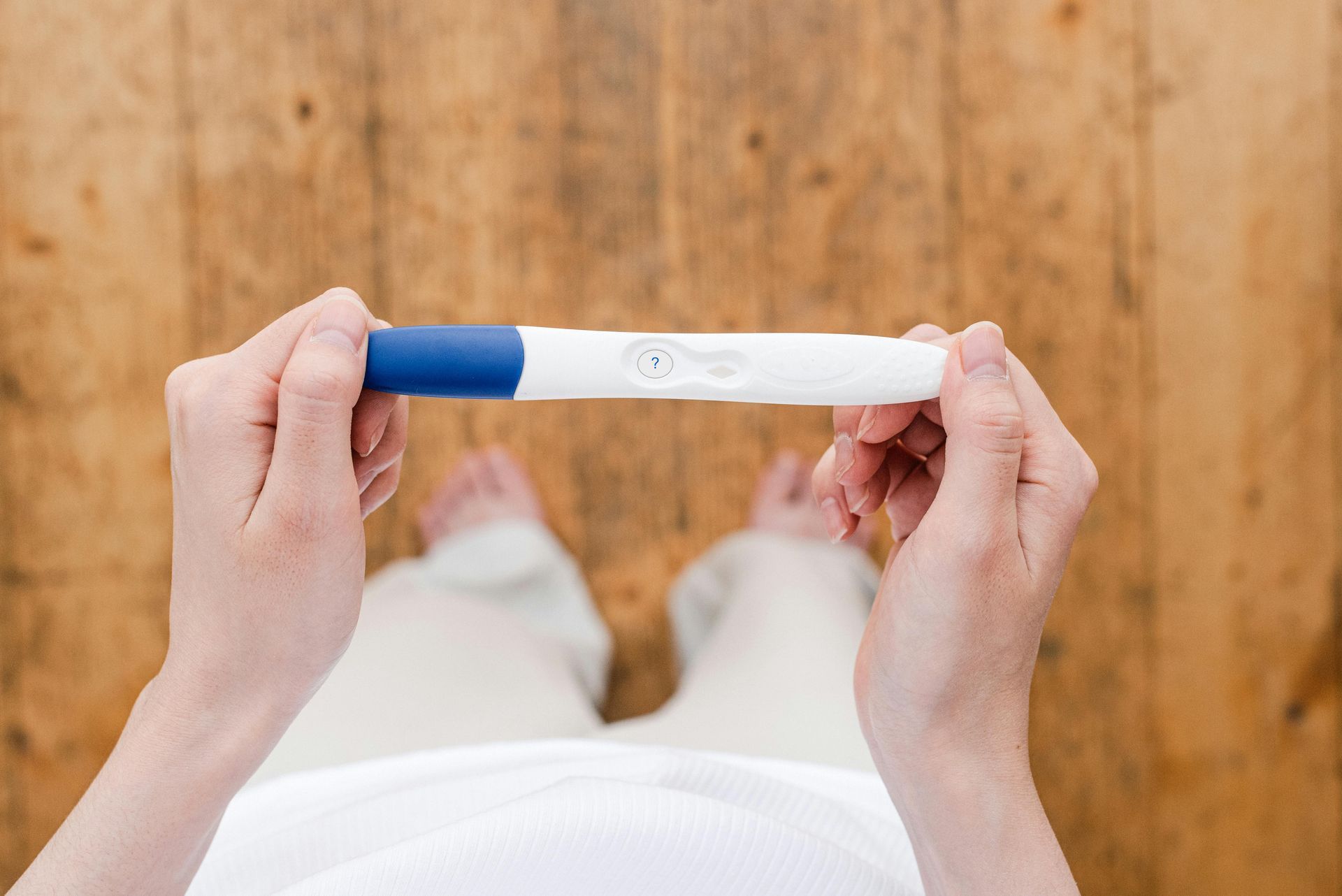
Pregnancy Planning
Having a baby, changes a life, as they say, and I confirm this from first-hand experience! I can also confirm that it would be a huge challenge for a teenager to have a baby, try to continue studying while taking care of her baby, manage relationships, and determine how to support herself and her child.
There is an alternative, where you can plan if and when you become pregnant, stacking the chances in your favor, of:
- Better education and training for self-fulfillment and for financial stability;
- Providing better life opportunities for your child; and
- Being able to better support yourself and your family and reaching your financial goals.
You can reach out to talk with health professionals like your doctor or pharmacist. Health professionals can describe the various planning options, including contraception, and explain them and their benefits and drawbacks in a way that you can understand. They are able to cover topics such as planning the number and/or spacing of children, how to get your body ready for pregnancy, how pregnancy can affect your health and any medical conditions you may have, what you can do to have the smoothest pregnancy possible and the healthiest baby possible, etc. Many different scenarios exist so it is best to reach out and find out more for your specific situation.
Reach out to your primary care doctor or women’s health practitioner first. S/He should be a key part of a pregnancy medical team, and routine checkups and screenings with her/him are vital. If you are unable to get an appointment or need information quickly, in Arkansas, pharmacists trained in women's health can help.
If you're 18+ and need birth control, we as pharmacists can meet with you to discuss options that you qualify for. If you decide to start birth control pills, we can do a quick health screening and determine if you're eligible for a prescription. If yes, we can prescribe oral contraceptives and provide the prescription to you, same-day at the pharmacy.
Pregnancy planning is healthcare and we're here as a resource. If you are concerned about the cost of consulting with us, please call us for information.
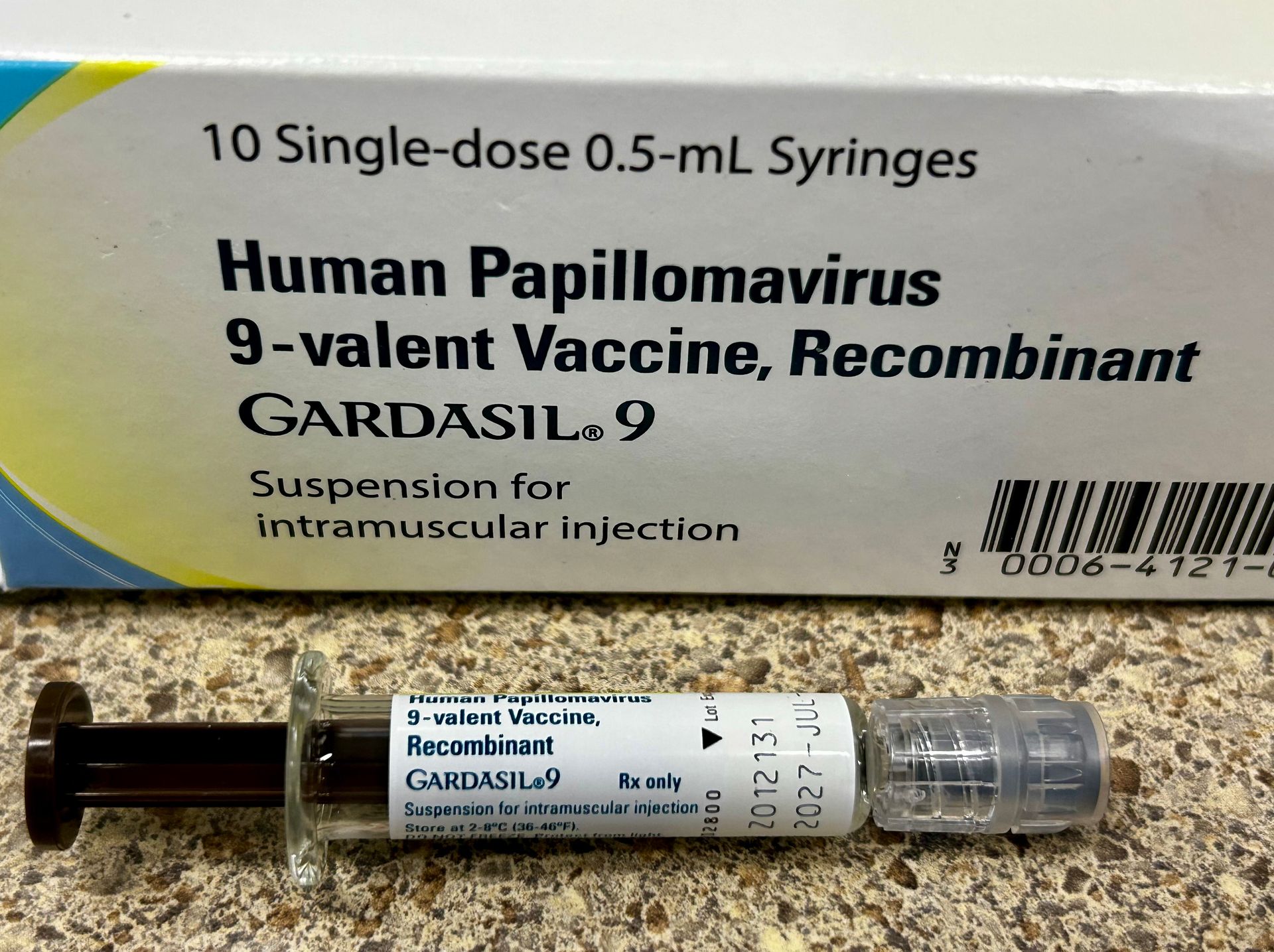
Preventing HPV-related cancers
Nobody wants to get cancer. The good news is that some cancers are preventable! Cancers related to HPV, or Human Papillomavirus, are one type.
What is HPV? It's the most common viral Sexually Transmitted Infection (STI) in the United States. Even though HPV is highly contagious, it's not always detected because a person can be infected by certain types of HPV and not have any symptoms, sometimes for decades. HPV can also be transmitted via skin-to-skin contact.
Of the over 100 types of HPV, high-risk strains can cause pre-cancerous cell changes, which can lead to cancer later in life, if not treated. This process can take place without symptoms and cervical cancer, which is caused almost exclusively by HPV, can take 20 years or more to develop after an HPV infection. HPV can also cause cancers of:
- the mouth and throat,
- vulva (female external genitals),
- vagina (muscular tube from the vulva to the cervix),
- cervix (lower part of the uterus that connects to the vagina),
- penis (in men), and
- anus.
Every year, more than 39,000 people get HPV-related cancers in the U.S. Some types of HPV can also cause warts and lesions in various parts of the body. While not all HPV strains may lead to cancer later on, it is relevant to know that currently, there is no cure for HPV. A healthy immune system can rid most strains of the virus from our bodies, but not all.
Getting vaccinated against HPV infection is the best way to protect against cervical cancer. The vaccine, Gardasil, works best if it is administered before the first sexual contact, and younger people (teens) respond better to the vaccine than older people (post-teens).
As well, Pap tests, which look for changes in the cervix that might lead to cancer, should be performed regularly by a physician. Also available are HPV DNA tests. Women should discuss these screening options with their physician because regular screening is part of preventing cervical cancer.
It should be noted that males can also contract HPV and that vaccinating boys/men is advantageous for both men and women, as well as for the community. In Australia, an HPV vaccination program was rolled out in 2007 and in 2021, there was not a single documented case of cervical cancer among women under 25 across the country. Their program included vaccinating both girls and boys.
With more than 135 million doses of Gardasil having been distributed in the U.S. alone, there is robust data that supports Gardasil's safety.
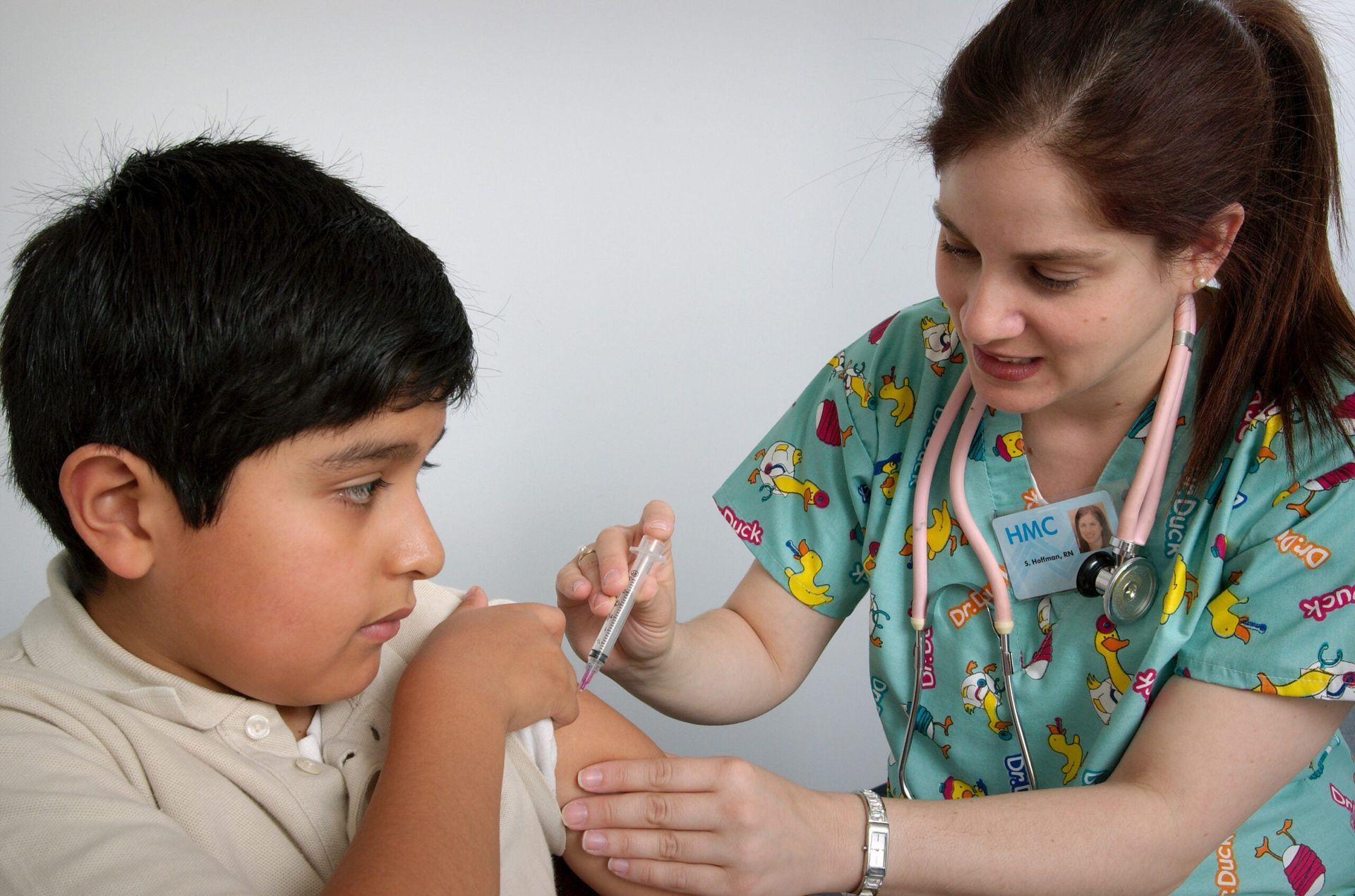
It is good to know what to expect when getting Gardasil. Common side effects are typically short-term. Sore arm, dizziness, and/or fainting can occur, so sitting for observation after receiving the vaccine is common.
Routine vaccination for HPV is recommended around ages 11-12 and can start as early as age 9. If a person starts the series at ages 9-14, it's typically a two-dose series. If starting at 15+, it's a three-dose series. Immunocompromised people generally need 3 doses, regardless. Catching up on this vaccine is also possible for adults beyond the teen years.
Gardasil is about cancer prevention later in life -- it's like wearing sunscreen now to prevent skin cancer later.
Questions?
If you have questions, the best place to start is to have a conversation with a healthcare professional. Many people don’t realize pharmacists can now help with some preventive women’s health services in Arkansas. If you want to know more about HPV or Gardasil, you’re due for a refill, starting birth control for the first time, or just want to talk through options, a quick consult can be a convenient first step—especially when doctor's appointments can be hard to schedule.
Disclosure: We support Arkansas Advocates for Children & Families whose mission it is to ensure that all children and their families have the resources and opportunities to lead healthy and productive lives and to realize their full potential. https://www.aradvocates.org/about-us/
Jenny is one of our pharmacists who specializes in women's health and is credentialled to write oral contraceptive prescriptions. Please feel free to call and ask for her or make an appointment for a consultation.
References and Resources
- University of Arkansas Student Magazine on why teens become moms
https://hillmag.uark.edu/why-teens-become-moms/ - Arkansas Center for Health Improvement on teen pregnancy statistics
https://achi.net/wp-content/uploads/2017/05/Teen-Pregnancy.pdf - KNWA on how a study shows Arkansas has highest teen birth rate in U.S.
https://www.nwahomepage.com/news/study-arkansas-has-highest-teen-birth-rate-in-u-s/ - Office on Women's Health on birth control methods (simple overview)
https://www.womenshealth.gov/a-z-topics/birth-control-methods - Arkansas Advocates for Children & Families on teen births
https://www.aradvocates.org/teen-births-a-low-ranking-arkansas-can-actually-change/ - Mayo Clinic on HPV infection (graphic photos of example warts)
https://www.mayoclinic.org/diseases-conditions/hpv-infection/symptoms-causes/syc-20351596 - The Cleveland Clinic on HPV
https://my.clevelandclinic.org/health/diseases/11901-hpv-human-papilloma-virus - CDC on HPV vaccination
https://www.cdc.gov/hpv/vaccines/index.html - The American Cancer Society on the prevalence of HPV cancer in the U.S.
https://cancer.org - The University of Sydney on Australia being on track to eliminate cervical cancer
https://www.sydney.edu.au/news-opinion/news/2025/11/20/australia-on-track-to-eliminating-cervical-cancer.html