
Winter Wonderland
Living in the South isn't usually associated with cold weather and shoveling snow, but we know that there have been years when we've received an abundance of snow (i.e. winter 2021! 🌨️❄️)
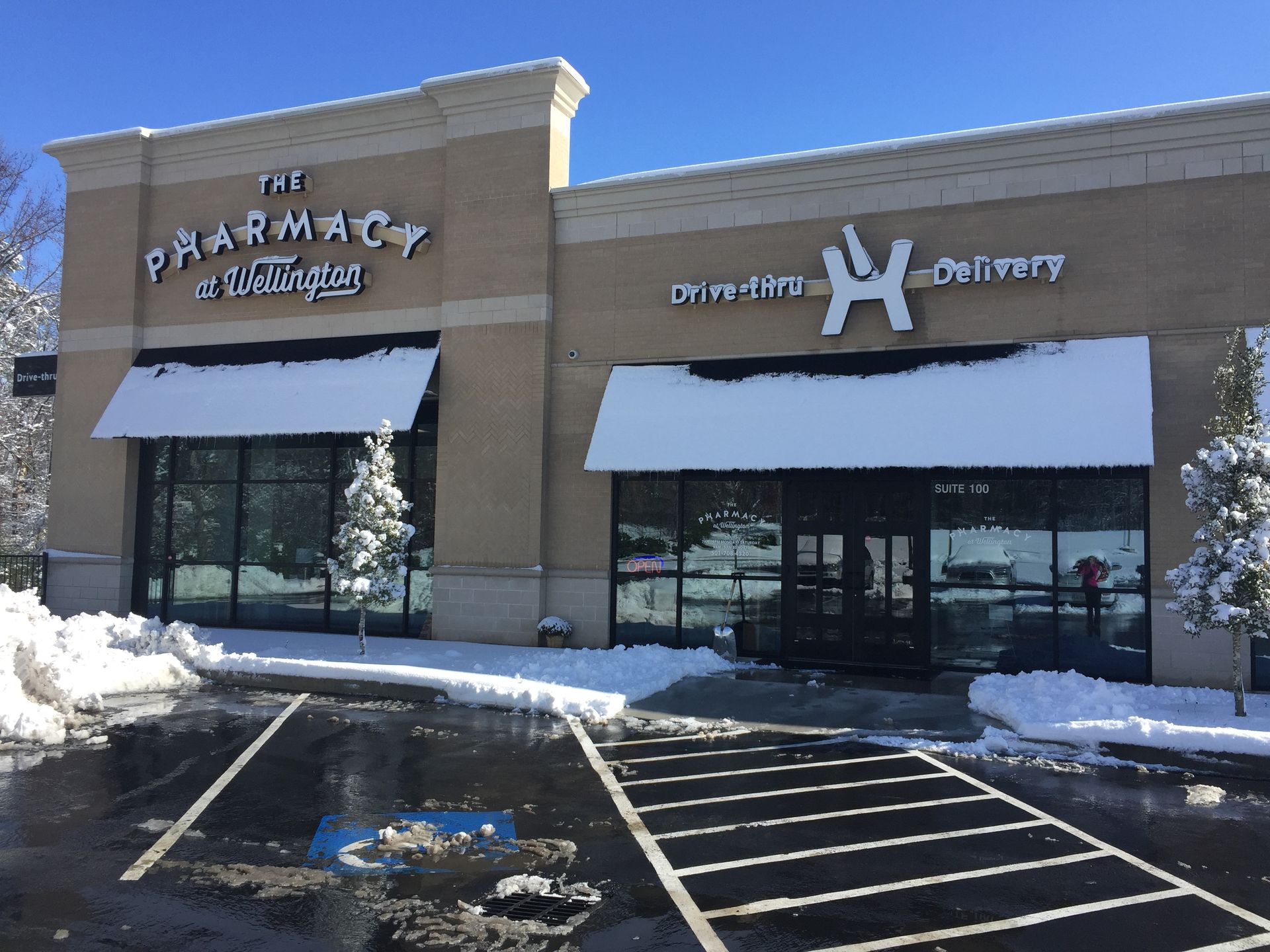
We'd like to bring to your attention some practical precautions that can be taken in cold, icy, or snowy weather. In this blog, we'll cover:
- Exposure to cold
- Tips for shoveling snow
Exposure to Cold
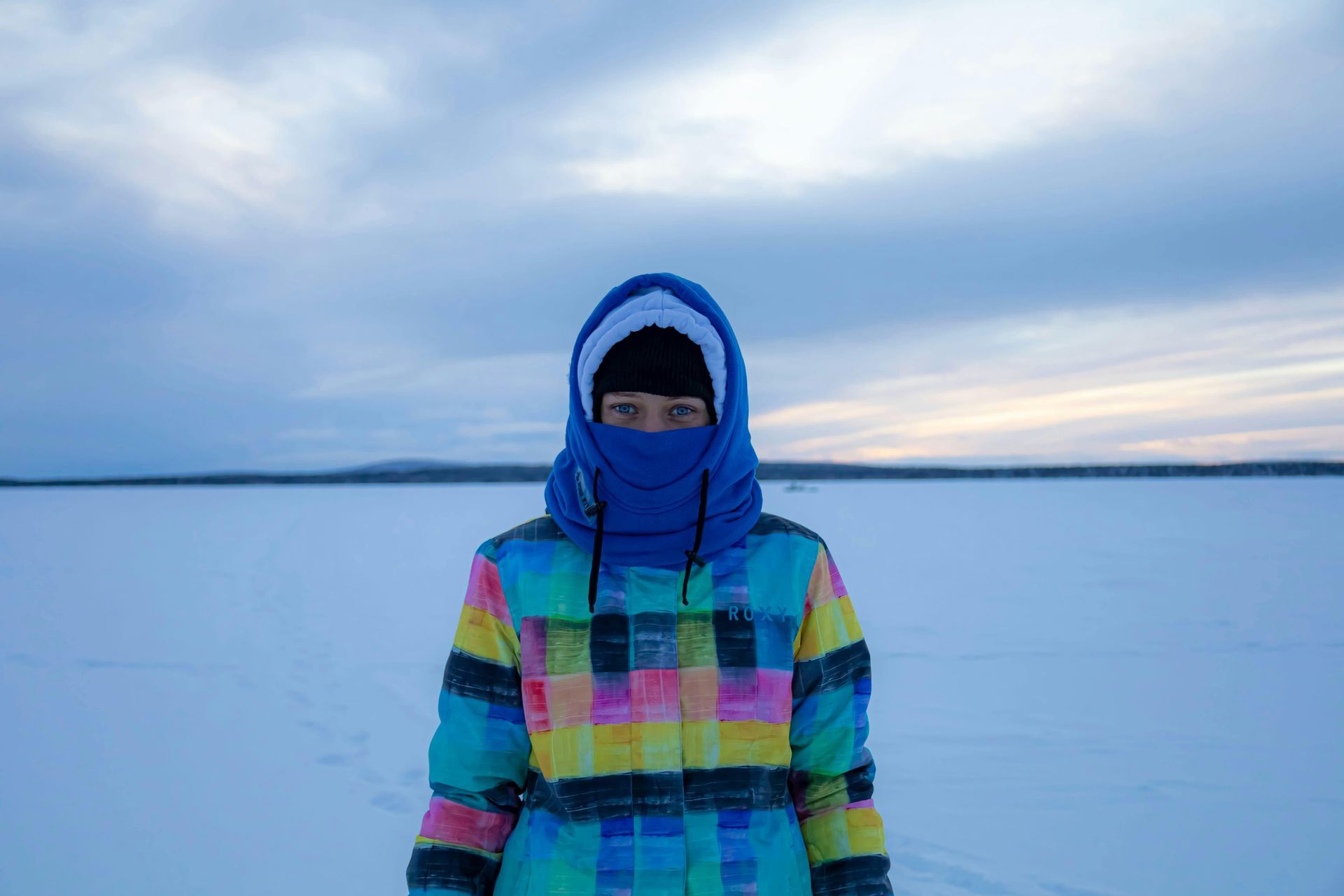
Since prolonged exposure of our skin to cold temperatures can result in frostbite, it makes sense to either stay indoors and avoid the exposure, or to limit time spent exposed and/or bundle up to reduce risk. Bundling up means not only the body and extremities such as fingers and toes, but also the head, face, and ears. It is worth taking such precautions because treating frostbite can be painful. Not to mention, in very serious frostbite cases, if the tissue dies, cannot be saved, and turns black over time (in days to months), amputation is the only solution.
Frostbite occurs when the skin temperature drops below 28.4°F (−2°C). The tissues cool off slowly as ice crystals form in between cells. The other fluid in that space becomes more concentrated and pulls liquid out of surrounding cells by osmosis (where liquid molecules go from a less concentrated solution to a more concentrated solution, equalizing the amount of liquid in the two sides). That dehydrates cells and damages them. Frostbite is essentially frozen tissue.
When frostbite is treated, the rewarming phase causes blisters, skin that is easily broken (crumbles), etc. As blood rushes towards the injury to help repair it, the area swells, which in turn can cause the surrounding blood vessels to contract and tiny blood clots to form. These reactions block blood flow to cells, preventing healing.
Diagnosing frostbite includes assessing the person's exposure to cold temperatures and the changes in their skin that are not completely reversed by rewarming. Since it can take up to 72 hours for these skin changes to manifest, an accurate diagnosis of frostbite severity can take time.
Emergency room staff in climates colder than Arkansas have been treating people for frostbite for decades, but it is only recently (2015-2016) that Dr. Poole (a surgeon) and Dr. Gauthier (a pharmacist) introduced the Yukon Frostbite Protocol (aka Whitehorse Frostbite Protocol), which provides diagnosis guidelines and treatment protocol. Dr. Poole and Dr. Gauthier work in the Yukon, a territory in the north of Canada (at 60.7° N latitude) where temperatures periodically drop to −20°F (−40°C) between November and April. The Yukon Protocol helped to reduce amputation rates at their hospital by 50% during the first five years it was implemented and it now serves as a good public resource for physicians who see cases of frostbite (hopefully not in Little Rock!).
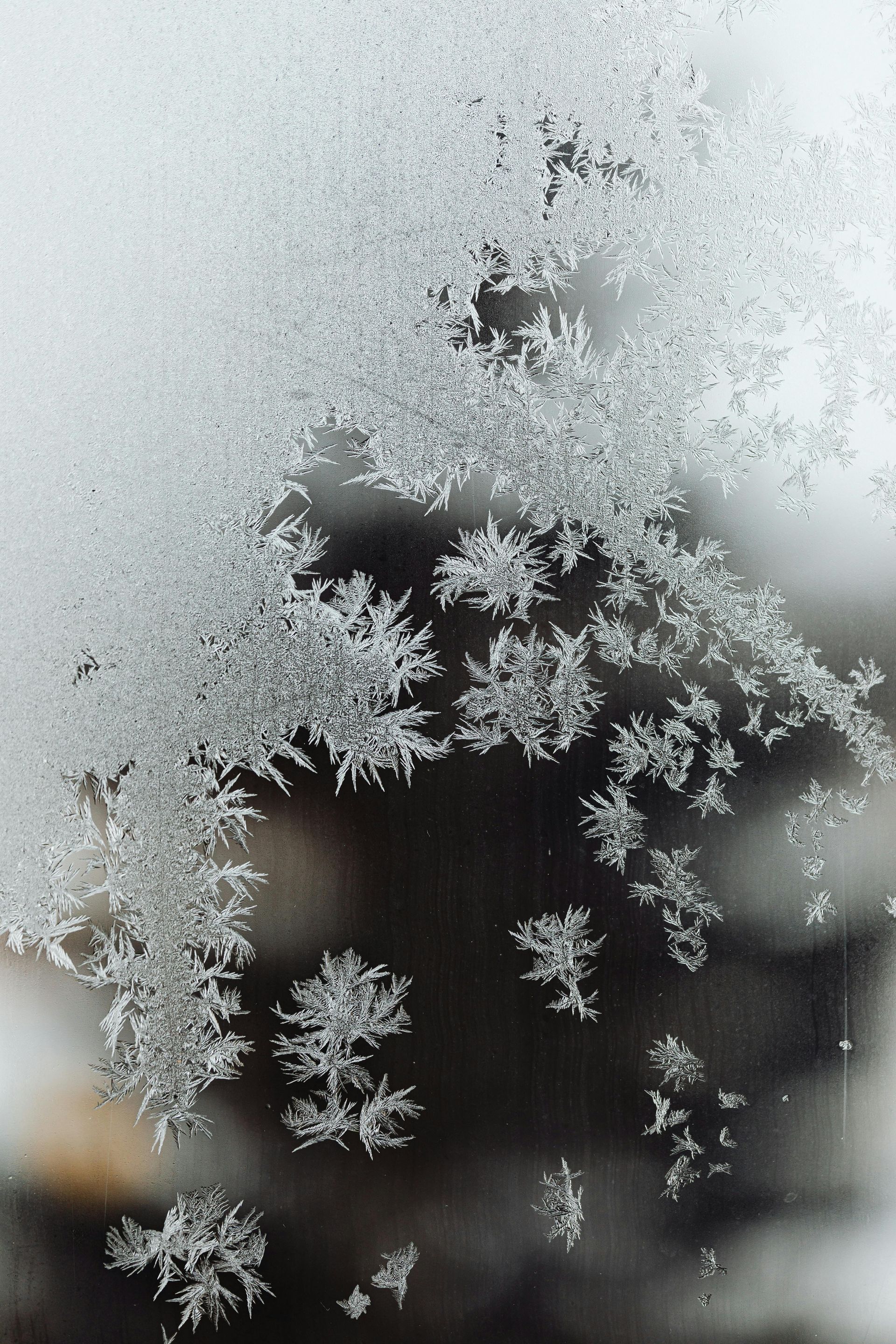
Exposure to cold can also cause hypothermia, which is when the body's core temperature falls below 95°F (97.7°F to 99.5°F is the normal body temperature range). Treating mild hypothermia involves warm drinks, warm clothing, and moving about to create body heat. It is dangerous to let hypothermia worsen because it can get serious enough to cause death.
Thus, if you feel cold while outside, go inside to warm up. Drink warm water, put on warm clothing and/or use a blanket.
Shoveling Snow
Going out to shovel snow and clear the sidewalk, walkway, and/or driveway may be necessary, and if that's the case, we'd like to share with you some ideas and practices from our northern neighbors that help to prevent injury:
- Consider whether you are in sufficient physical shape to shovel snow and discuss with your doctor. In general, if you load a 2 lbs plastic shovel with 10 lbs of snow (an average amount) every 5 seconds, you'd move over 120 lbs in one minute. Shoveling for 15 minutes can mean moving 1,800 lbs of snow!
As with any strenuous physical activity, it is best to start gradually (i.e. over weeks) and build up one's strength and ability. Consider that most people who injure themselves shoveling are between 40 and 60 years old who work desk jobs. People who have arthritis or rotator cuff issues will want to think twice before shoveling snow. It is prudent to assess your own physical abilities before launching into shoveling snow.
- If you are physically able to shovel snow, warm up before doing so. Use small weights or exercise bands to warm up the arm muscles and shoulders, do leg squats, rotate and stretch the shoulders, lean back and forth to warm up the back, and do a few crunches to warm up the core. This will prepare muscles and raise your heartrate a bit for the workout.
- Where possible, shovel soon after snowfall and often. Fresh snow is lighter and hasn't had the chance to get packed down, so it is more manageable than wet or partly melted snow.
- Dress appropriately. Wear layers of warm, lightweight clothing that allow movement, and remove layers as you need to keep from sweating. The inner layer should allow perspiration to escape from the skin's surface. Put on footwear that has traction or wear crampons (metal grips) on your shoes or boots to prevent from falling, especially if there is ice under the snow. Use gloves that are flexible and provide a good grip. Wear something over your mouth / face if it is very cold.
- Keep hydrated with water even if you're not thirsty and avoid caffeinated drinks as they can put extra stress on the heart. Take stretch breaks. Alternate the side you use to hold the shovel from time to time. Listen to your body because it's not worth getting injured. If you're tired, stop. Shoveling snow uses muscles and also works the heart and cardiovascular system.
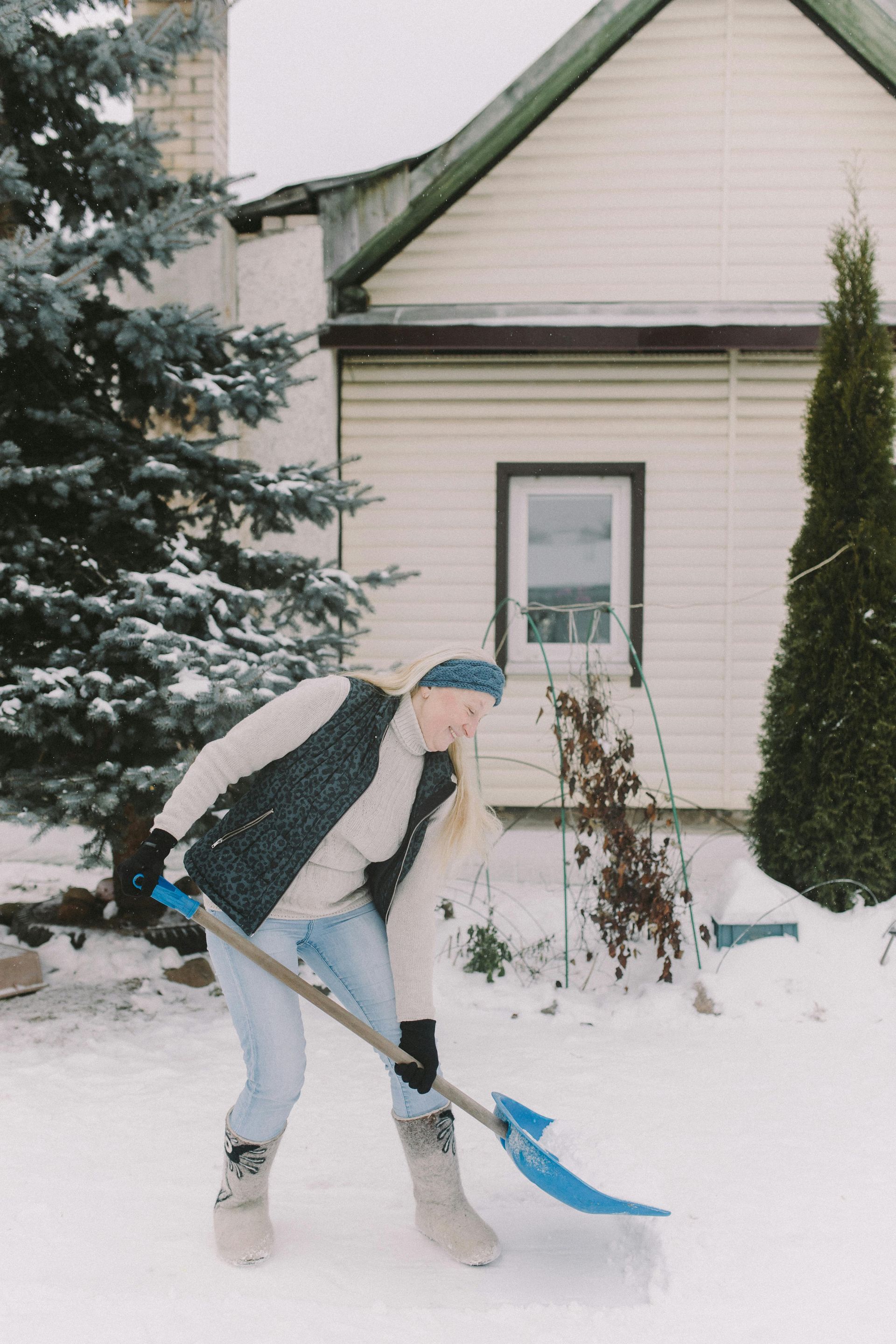
- Choose a snow shovel because shovels made for other purposes will make the job much harder. A snow shovel is light and sturdy. The top of the handle should reach your chest to reduce the amount of bending. If you have lower back issues but still must shovel snow, use one with a bend in the shaft. To decrease the risk of injury, use a large push-style shovel to shove snow to the side and use a shovel with a smaller blade to lift and throw snow.
- Make a plan as to where you want to put the snow so that you don't end up having to move it more than once. Choose a spot where water from the melting snow won't be in a bad location if it refreezes.
- As far as shoveling technique, hold the shovel so that your hands and arms are not twisted.
It is better to push snow instead of lifting and throwing it. If you must throw it, take only as much snow as you can lift and turn your feet before throwing. It's ok to lift partially filled loads to keep the weight down. Don't twist at the waist, throw snow over your shoulder, or to the side. Stand with your feet hip-width apart for balance and keep the shovel close to your body. Bend at the knees rather than at the waist if picking up snow.
Be watchful for melted ice beneath the snow that can be slippery. On snow and ice, walk like a penguin, with your toes pointed outward. Bend your knees slightly and put your center of gravity over your heel. Don't put your hands in pockets, take shorter shuffle-like steps, and go slowly.
- If you are experiencing an emergency, call 911. Warning signs of a heart attack include jaw pain, arm pain, chest pain, shortness of breath, nausea, pale skin, etc.
Probably the best solution, if you can, is to simply stay indoors and wait it out!
Resources and References:
The Yukon Frostbite Protocol - https://yukon.ca/en/whitehorse-frostbite-protocol
News article about The Frostbite Doctors - https://uphere.ca/articles/frostbite-doctor
National Library of Medicine on the treatment of severe frostbite (including summary of the Yukon Frostbite Protocol) - https://pmc.ncbi.nlm.nih.gov/articles/PMC5135497/
News article about treating frostbite - https://www.cbc.ca/news/canada/north/canadian-frostbite-care-network-treatment-iloprost-yukon-1.7374871
Canadian Centre for Occupational Health and Safety on shovelling snow - https://www.ccohs.ca/oshanswers/ergonomics/snow_shovelling.html
CBC on shovelling snow safely - https://www.cbc.ca/news/canada/london/snow-shoveling-injury-safety-tips-9.7011137
Mayo Clinic for shoveling snow safely - https://www.mayoclinichealthsystem.org/hometown-health/speaking-of-health/tips-for-safe-snow-shoveling
Wikipedia on hypothermia - https://en.wikipedia.org/wiki/Hypothermia