
Maximizing your workouts
Here's something you can do to maximize the positive effects of your workouts!
In a word, it is to work your brain while doing vigorous exercise, ideally incorporating a cognitive task to a motor task. Research using orienteering have provided this result (more on this below).
We know that researchers have found many, many benefits to physical exercise ("PE"), which is not simply physical activity. Physical activity incorporates everyday movements, while PE is planned, structured, and repetitive aerobic, anaerobic, and resistance exercise, carried out with the intention to improve physical fitness. Below is an overview of some learnings about PE:
- PE increases blood flow, providing oxygen and nutrients to cells throughout the body.
- PE enhances cognitive functioning, increasing gray matter volume in frontal and hippocampal regions. It is also related to better integration of information between various modules in the brain, enabling faster and more accurate performance on cognitive tasks.
- It takes approximately 6 months of PE for related cognitive benefits.
- PE improves wellbeing and brings psychological benefits. For example, it decreases anxiety and depression and it increases confidence, emotional stability, positive body image, etc.
- PE increases academic achievement, especially in children.
- PE helps to prevent cognitive decline in older adults.
- For maximum effect on cognitive function, performing PE up to middle life is necessary, although it is never too late to start and maintain PE.
- Doing PE outside (for example, taking a walk outside rather than on a treadmill inside) can make an additive positive impact on brain function.
- The greatest positive effects of exercise on cognitive functions were found in adults aged 60+.
In research published in May 2024, lead author and kinesiology graduate student at McMaster University Emma Waddington found that engaging your brain while working out can increase the cognitive benefits of exercise. The study also suggests that vigorous exercise (running as opposed to walking) can result in greater cognitive benefit.
Her study examined levels of lactate (previously referred to as lactic acid) and levels of brain-derived neurotrophic factor (BDNF).
BDNF stimulates the growth of new neurons in the hippocampus, a part of the brain that shrinks about half a percent per year by the age of 55. The hippocampus helps with learning, spatial memory, verbal memory, and short- and long-term memory, including the recollection of facts and experiences.
Lactate was once considered the culprit for sore muscles after intense exercising but is now believed to play at least two roles:
- to be a fuel for cells throughout the body, including brain cells, and
- to send a chemical signal to the brain to activate BDNF, which in turn strengthens connections between brain nerves that happen to be firing.
This implies that what we do with our brain during exercise matters because those are the neural pathways that are reinforced.
The results of this study are in the same vein as previous studies, including:
- In 2023, a study led by researchers at Western University found that a mix of aerobic exercise and cognitive training prevented cognitive decline better than exercise alone.
- Subjects showed higher scores in attention tests, working memory tests, and cognitive flexibility measures when they were asked to do acute physical exercise with high coordinative (cognitive) demands. (Budde et al., 2008; Koutsandreou et al., 2016; Zach and Shalome, 2016; Benzing et al., 2016)
- The combination of physical and cognitive exercise could evoke a higher cognitive enhancement than cognitive or physical exercise alone (Kraft, 2012; Fissler et al., 2013, Bamidis et al., 2014; Lauenroth et al., 2016; Levin et al., 2017; Eggenberger et al., 2015)
It is worthwhile to point out a differentiating factor in the cognitive tasks: those that are unrelated to the physical movement except for being performed at the same time may not provide as much of a benefit as those that are integrated into the physical movement.
Examples of cognitive tasks unrelated to PE could include:
- Doing a math problem in one's head while walking, or
- Memorizing the names of the planets while running, or
- Recalling facts for an upcoming exam during a workout, etc.
In contrast, cognitive tasks integrated into PE such as these can result in increasing the cognitive benefits of exercising:
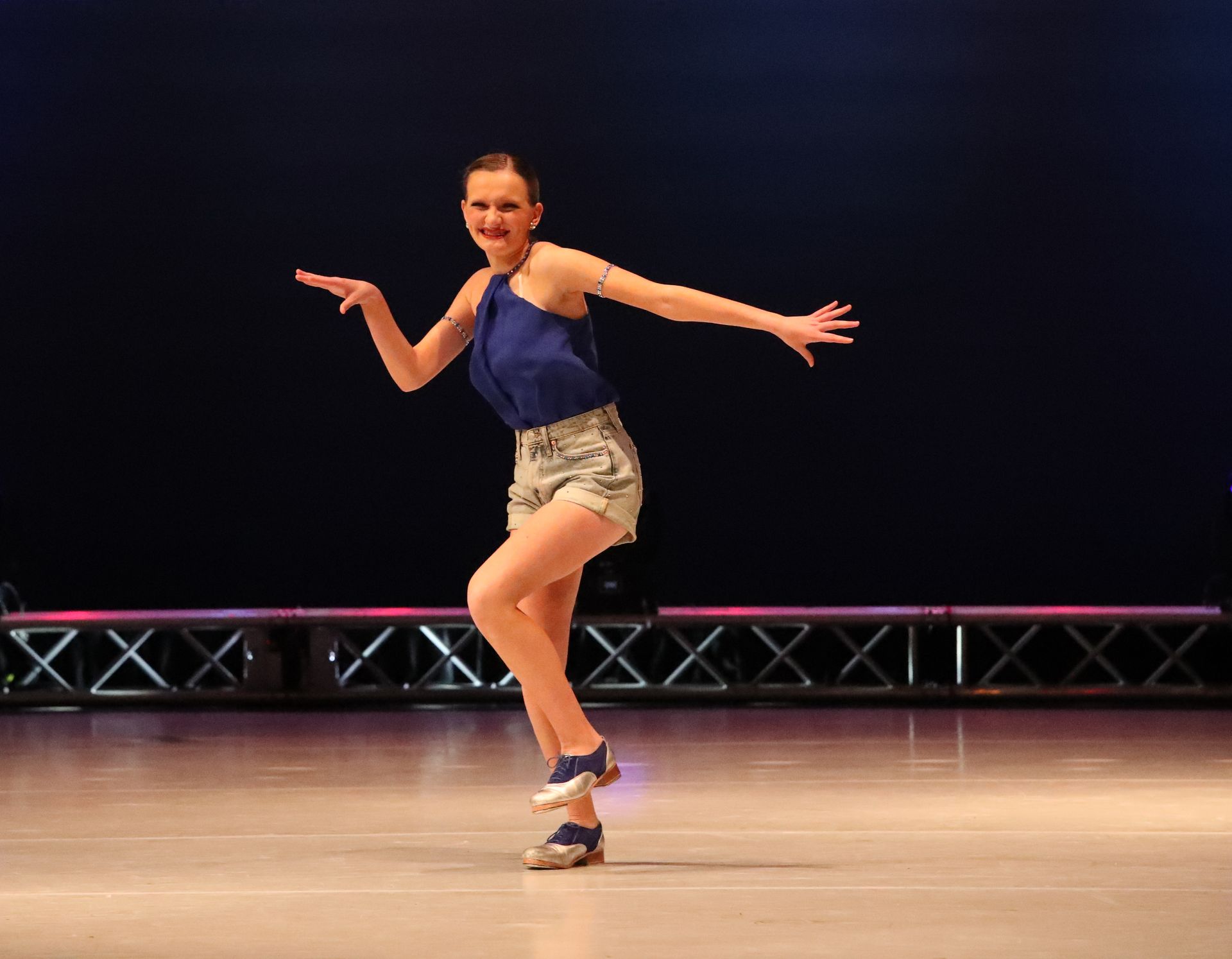
- Remembering the steps while dancing, or
- Doing tai chi, which requires remembering movements while performing them, or
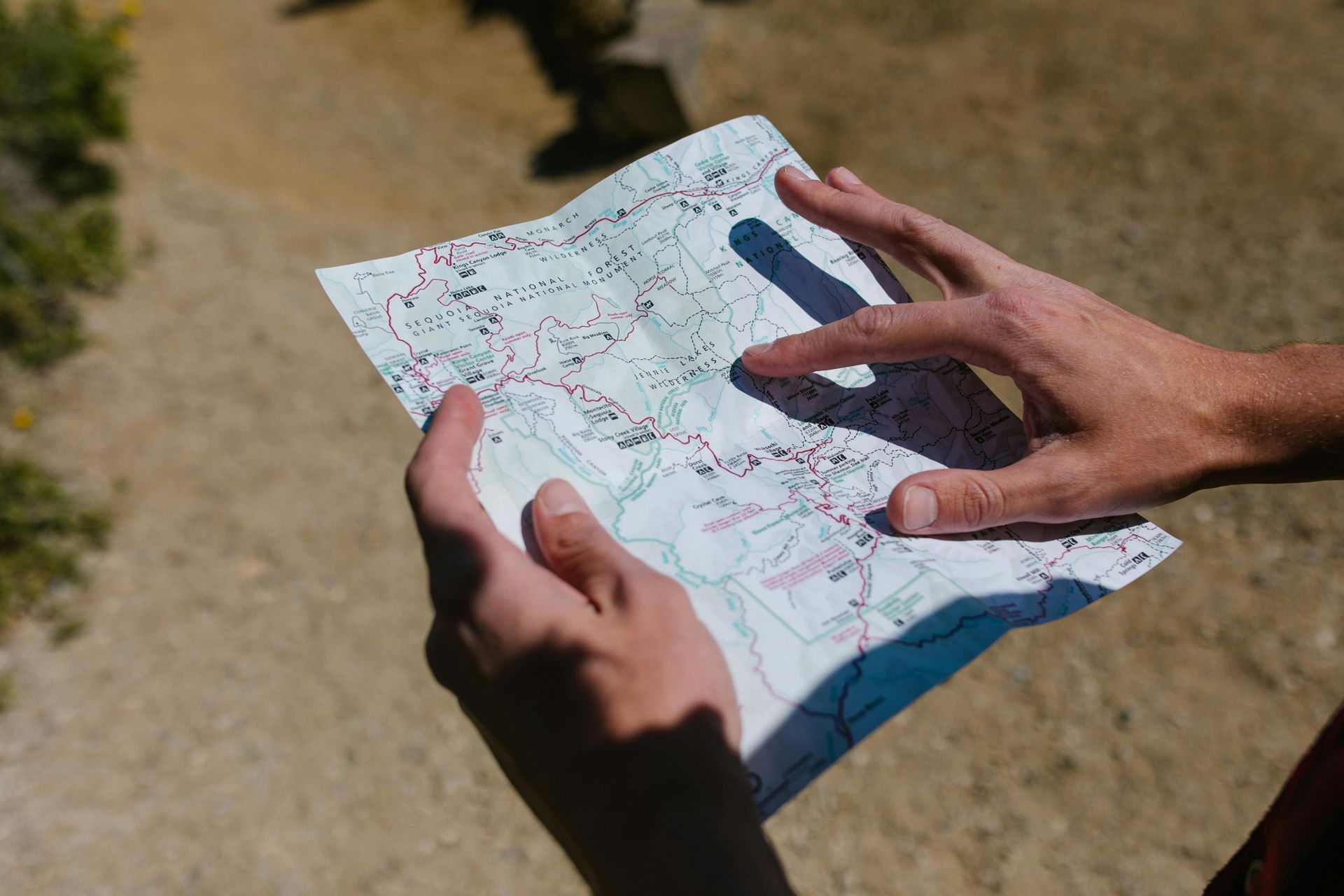
- Using a map and compass to follow a hiking trail, or
- Orienteering, where one races against the clock while navigating through geographical checkpoints with the aid of a map and compass (not a GPS-enabled device). Running orienteering (vigorous PE) garners the most benefit.
We have always known that physical exercise is beneficial -- today's blog offers an idea for trying something new while exercising, for increased benefit!
Please feel free to talk with one of our pharmacists on what starting a physical exercise program means in the context of the medications that you take.
References and Resources:
PLOS One on orienteering and improved human cognition
https://journals.plos.org/plosone/article?id=10.1371/journal.pone.0303785
Globe and Mail on the benefits of engaging your brain during a workout
Cleveland Clinic on the role of the hippocampus
https://my.clevelandclinic.org/health/body/hippocampus
Harvard Health on exercises best for the brain
https://www.health.harvard.edu/mind-and-mood/exercise-can-boost-your-memory-and-thinking-skills
National Library of Medicine on the benefits of Physical Exercise
https://pmc.ncbi.nlm.nih.gov/articles/PMC5934999/
Science Direct on the cognitive benefits associated with exercise variables
https://www.sciencedirect.com/science/article/pii/S1568163723002751
BMC on lactate linking exercise to synaptic protection and cognitive enhancement in Alzheimer patients
https://bmcmedicine.biomedcentral.com/articles/10.1186/s12916-025-04168-x
Pfizer on lactate
Frontiers in Aging Neuroscience on thinking while moving or moving while thinking
https://www.frontiersin.org/journals/aging-neuroscience/articles/10.3389/fnagi.2018.00228/full
Scientific Reports on exercising outside
https://www.nature.com/articles/s41598-022-26093-2
National Library of Medicine: Dove Press Journal Clinical Interventions in Aging about multicomponent physical exercise with simultaneous cognitive training
https://pmc.ncbi.nlm.nih.gov/articles/PMC4631411/
BBC on things you can do to improve your health